
Many people dislike the hassle of ICP filing and deploy their personal or foreign-trade sites on overseas servers in Singapore, the United States, or Japan. These sites load fine for overseas users, but are often slow for users in China.
Main Causes
Slow loading in China is usually the result of several combined factors:
- Cross-border routing involves many hops, with outbound congestion during evening peaks leading to increased packet loss
- The origin server is located in the US or Europe, requiring static files to cross borders multiple times for origin fetches
- Images and fonts lack long cache settings, so both first loads and refreshes are slow
- Dynamic APIs cannot be cached, so a CDN cannot eliminate origin fetch latency
For website request loading, the vast majority of bandwidth consumption comes from static resources such as images, JS scripts, CSS, and fonts.
If your site has a lot of images, you can try uploading them and compressing them first with https://zippic.cn.
Below is a selection of common Asia-Pacific CDN providers for you to choose from, including both free and paid options.
Cloudflare
Cloudflare is the go-to choice for almost every independent developer, with over 330 global nodes. Best of all, it is completely free, includes basic protection, and offers free HTTPS certificates. However, the free plan does not include dedicated CN2/direct-connect optimization for mainland China, and latency is higher during evening peaks. It is suitable for users with zero budget whose audience is mainly in other parts of the world.
However, the free Cloudflare plan does not include advanced DDoS protection. If your site is frequently attacked, consider CDN5 below.
CDN5
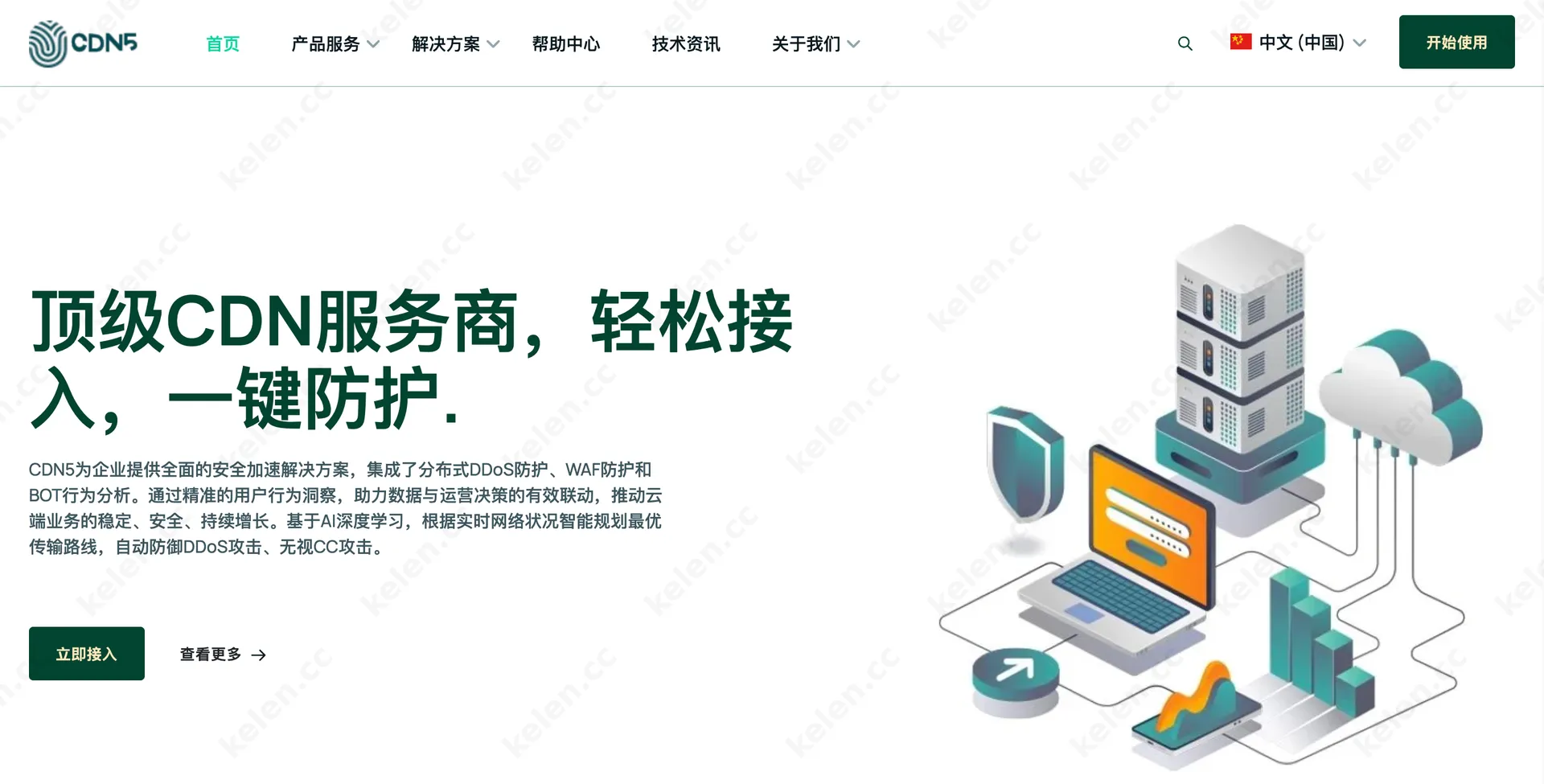
CDN5 is a CDN focused on Asia-Pacific direct-connect routes. New registered users get a 50GB free quota, and it uses CN2/BGP hybrid routes with relatively stable latency during peak hours.
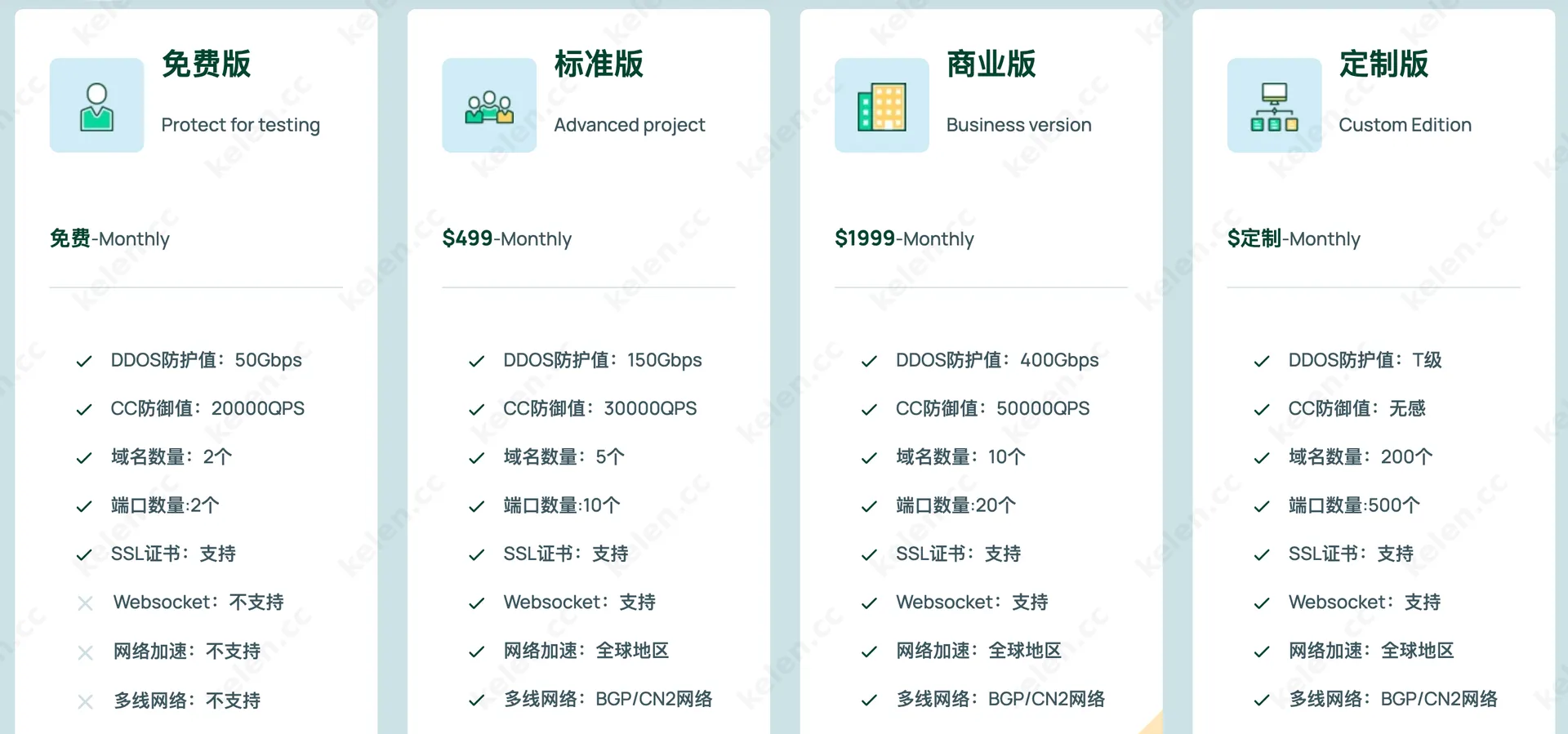
Although it offers a free quota, the paid plans are genuinely expensive, as shown in the image below. Consider it if budget permits.
YewSafe
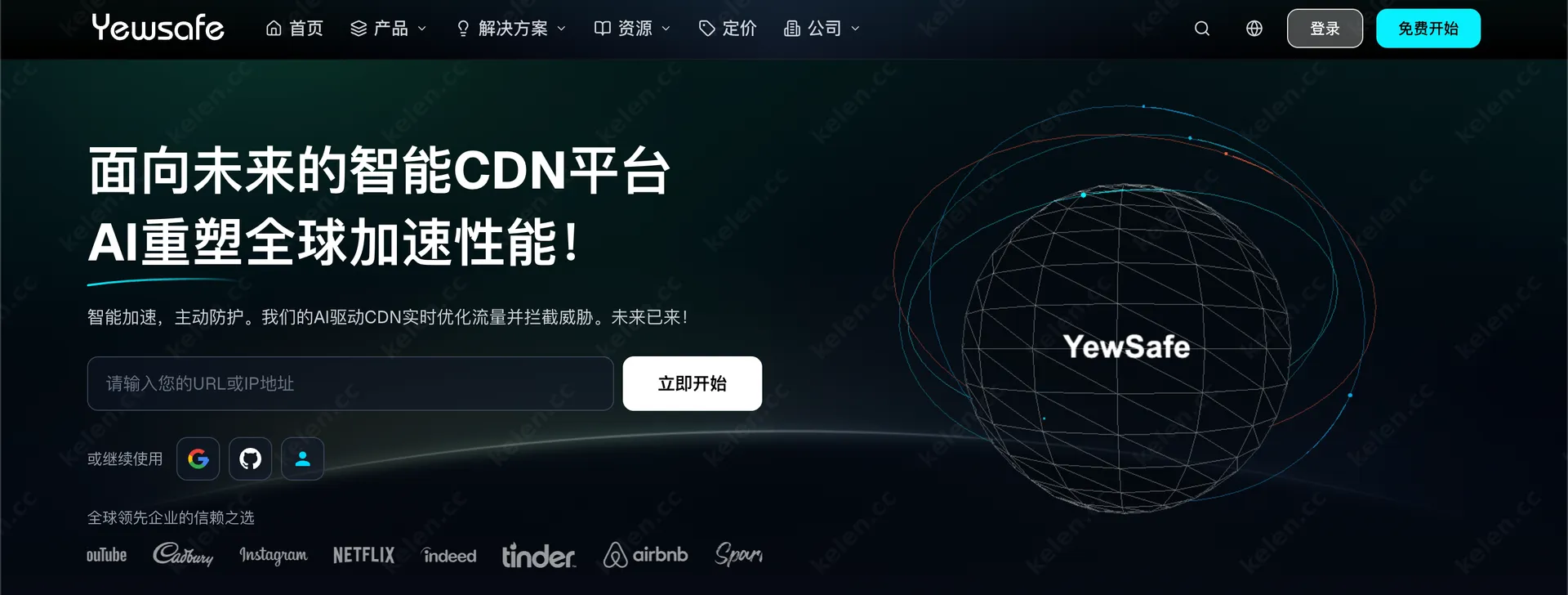
YewSafe CDN is a next-generation enterprise-grade DDoS-protected CDN provider focused on "AI-driven security" and "ultimate content acceleration." It has deployed over 3,000 edge DDoS-protected nodes in more than 80 countries, with a total network mitigation capacity of 50+ Tbps, per-node cleaning capacity of 800Gbps, and elasticity up to 1.2Tbps.
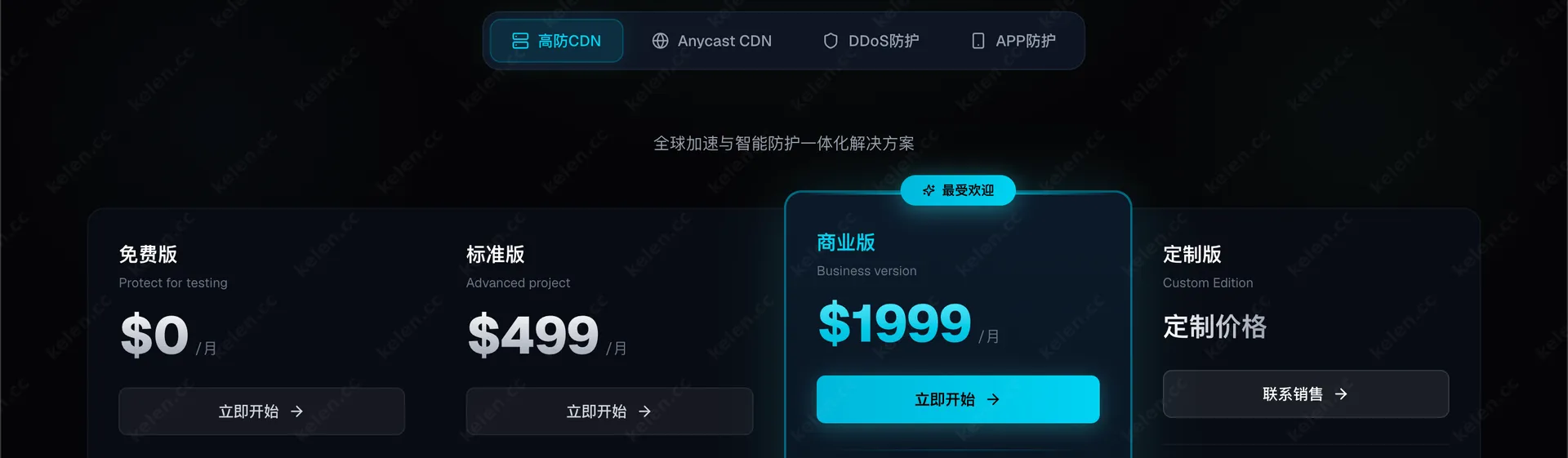
YewSafe also offers a free CDN plan with 50GB of monthly traffic, which is more than enough for personal sites. You can try the free plan first before considering paid options.
QYYCDN
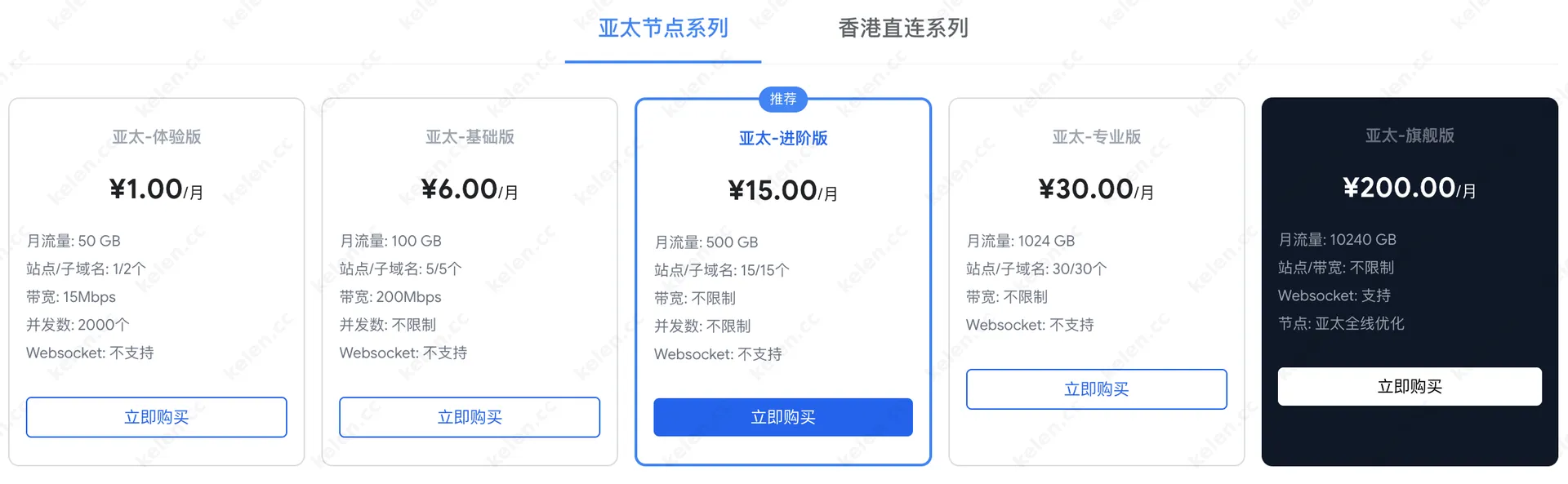
QYYCDN is a highly cost-effective CDN. Its plans cover Asia-Pacific and Hong Kong, and it is very economical for personal site acceleration. As shown in the pricing below, the entry-level tier is 1 CNY for 50GB/month, and 6 CNY for 100GB/month — plenty for low-traffic sites.
Amazon CloudFront
Amazon CloudFront is a CDN service provided by Amazon Web Services. It offers a free CDN plan with up to 1 TB of free outbound data transfer per month, plus 10 million free HTTP/HTTPS requests.
Note: this 1 TB of free traffic refers to the amount of data transferred from CloudFront edge nodes out to internet users. If you configure CloudFront to upload data to your origin (for example, POST/PUT requests), the traffic CloudFront sends to the origin is billed at the "data transfer out to origin" rate.
Bunny.net
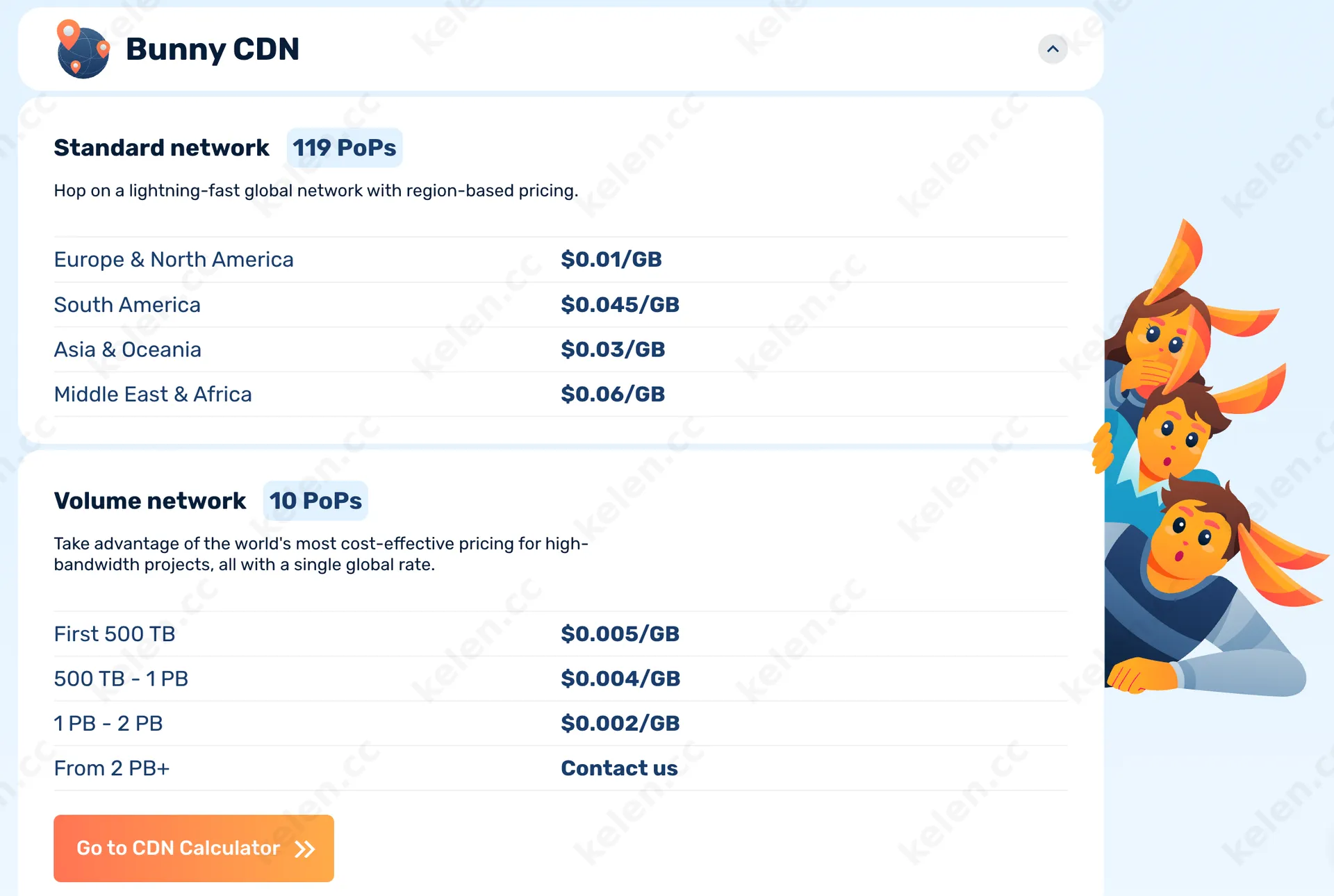
Bunny is a global edge cloud provider headquartered in Europe, founded in 2014. It is known for offering high-performance, ultra-low-cost, and easy-to-configure CDN services, and currently accelerates more than 1.5 million websites worldwide.
Bunny's core advantages are its highly competitive billing model (pay-as-you-go, starting at just $1/month) and its strong friendliness to independent developers, small and medium businesses, and video creators.
CDN Comparison
| CDN Name | Mainland China Access Experience | Core Advantages | Target Users |
|---|---|---|---|
| Cloudflare | Fair (fluctuates during evening peaks) | Free forever, global nodes, free HTTPS | Zero-budget personal sites / blogs with mostly overseas visitors |
| CDN5 | Excellent (Asia-Pacific optimized routes) | 50GB free for new users, CN2 direct connect, stable during peaks | Sites with many Chinese visitors that want to avoid ICP filing |
| YewSafe | Good (Asia-Pacific friendly) | 3,000+ DDoS-protected nodes, 50T+ DDoS protection, AI security | Enterprises / sites frequently attacked or needing high protection |
| QYYCDN | Excellent (Hong Kong and Singapore optimized) | Ultra-low price of 1 CNY for 50GB, outstanding value | Low-traffic small personal sites and blogs |
| Amazon CloudFront | Fair (routes vary) | 1TB free monthly traffic, 10 million free requests | AWS users, overseas technical projects, high-traffic needs |
| Bunny CDN | Good (Asian nodes) | Monthly billing, per-GB pricing, extremely simple setup | Independent developers, image / download sites, low-cost projects |
| Tencent Cloud EdgeOne (overseas regions) | Excellent (Hong Kong and Singapore optimized) | Big-cloud stability, comprehensive protection, seamless integration | Sites with many Chinese visitors that trust major cloud providers and need no ICP filing |
FAQ
Is ICP filing still required after connecting a CDN?
Not if you do not use mainland China nodes. Pointing your domain to Hong Kong, Singapore, or Tokyo nodes does not trigger ICP filing. Once you enable distribution via mainland data centers, a custom domain usually requires filing.
Why is the site still slow in China after connecting a CDN?
A CDN shortens the distance between the user and the edge node, but when the edge node is outside China, cross-border transmission still exists. If the origin is in the US and the cache misses, origin fetches will be even slower.
Is the Cloudflare free plan enough?
It is enough when your visitors are mainly overseas. If a high share are in China and you often experience timeouts during evening peaks, the free plan cannot fix it. China Network requires ICP filing and an enterprise subscription, so paid use is not recommended for early-stage sites.
If images are slow but the page framework loads fine, what should be handled first?
Offload images, fonts, JS, and CSS directly to the CDN. When HTML is fetched from the origin every time, first-screen rendering is still affected by the cross-border link.
Conclusion
Slow access to overseas sites from China is primarily a cross-border link issue, not insufficient server performance. Upgrading specs or changing data centers cannot bypass carrier routing and cross-region latency.
After connecting a CDN based on your visitor regions, static resources can be fetched nearby, reducing reliance on congested outbound links during evening peaks. There is no need to migrate the origin server, and if you do not use mainland nodes, ICP filing is not required either. Loading speed usually improves, but origin fetch latency for dynamic requests remains.